
Understanding Macronutrients
Introduction to Macronutrients
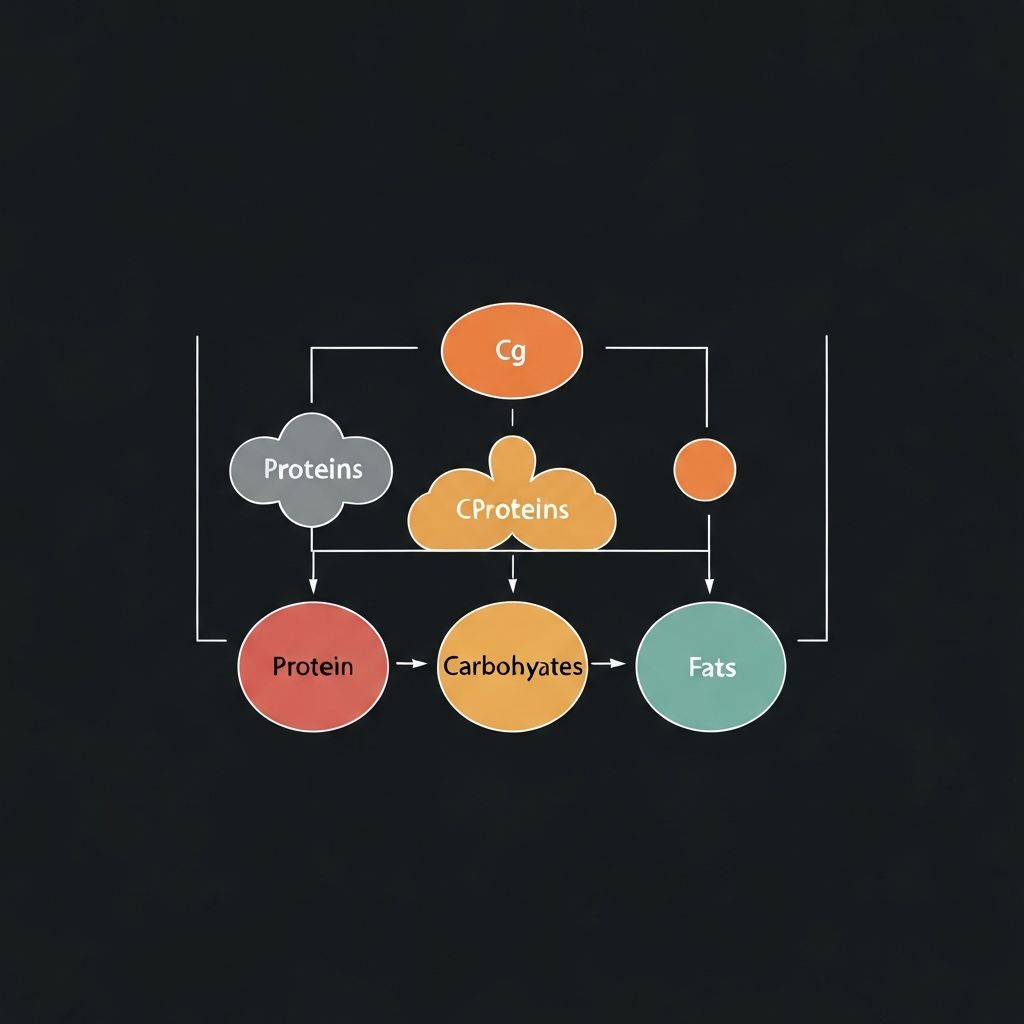
Macronutrients are the primary components of food that provide energy and support vital biological functions. The three macronutrient categories—proteins, carbohydrates, and fats—each contain distinct chemical structures and play specific roles in metabolism and health maintenance.
Proteins: Building and Repair
Structure and Function
Proteins consist of amino acids linked in various combinations. Of the approximately 20 amino acids used by the human body, nine are considered essential—meaning the body cannot synthesize them and they must be obtained through diet.
Proteins serve multiple functions: they comprise structural components of muscles, organs, and tissues; they function as enzymes facilitating biochemical reactions; they contribute to hormone production; and they support immune function through antibody synthesis.
Dietary Sources
Complete protein sources containing all nine essential amino acids include animal products (meat, fish, eggs, dairy) and some plant-based sources (legumes combined with grains, soy products). Incomplete protein sources from plants can be combined to provide all essential amino acids when consumed together.
Carbohydrates: Energy and Regulation
Types and Composition
Carbohydrates are categorized as simple (monosaccharides and disaccharides) or complex (polysaccharides). Glucose, a simple sugar, serves as the primary energy source for cells and is particularly important for brain and nervous system function.
Complex carbohydrates, found in whole grains, legumes, and vegetables, contain greater amounts of fiber and micronutrients compared to refined carbohydrate sources, contributing to sustained energy release and metabolic regulation.
Metabolic Role
When carbohydrates are consumed, they are broken down into glucose, which enters the bloodstream. The pancreas secretes insulin, facilitating glucose uptake by cells for energy production or storage. This process is central to blood sugar regulation and energy metabolism.
Fats: Hormone Production and Nutrient Absorption
Types of Dietary Fat
Dietary fats include saturated fatty acids, unsaturated fatty acids (monounsaturated and polyunsaturated), and trans fats. Each type has distinct effects on cardiovascular health and metabolic processes.
Unsaturated fats, particularly from sources such as olive oil, nuts, seeds, and fatty fish, support cardiovascular function and reduce inflammation. Saturated fats, in moderate amounts, serve necessary biological functions, though excessive intake is associated with cardiovascular risk factors.
Essential Functions
Fats support the absorption of fat-soluble vitamins (A, D, E, K); provide structural components for cell membranes; facilitate hormone production; and protect vital organs. Omega-3 and omega-6 polyunsaturated fatty acids are considered essential, as the body cannot synthesize them in adequate quantities.
Macronutrient Balance
The optimal ratio of macronutrients varies among individuals based on activity level, age, health status, and metabolic characteristics. No single macronutrient ratio is universally appropriate for all populations. Moderate variations in macronutrient composition can support health when overall caloric intake and nutritional balance are maintained.
Sustainable dietary patterns incorporate adequate amounts of all three macronutrients, with emphasis on whole food sources that also provide micronutrients, fiber, and phytonutrients.
Important Context
This article provides general educational information about macronutrient composition and function. Individual nutritional needs vary based on genetics, health status, physical activity, and life circumstances. Significant dietary modifications should be discussed with qualified healthcare providers.