
Food Classification and Nutritional Density
Understanding Food Categories
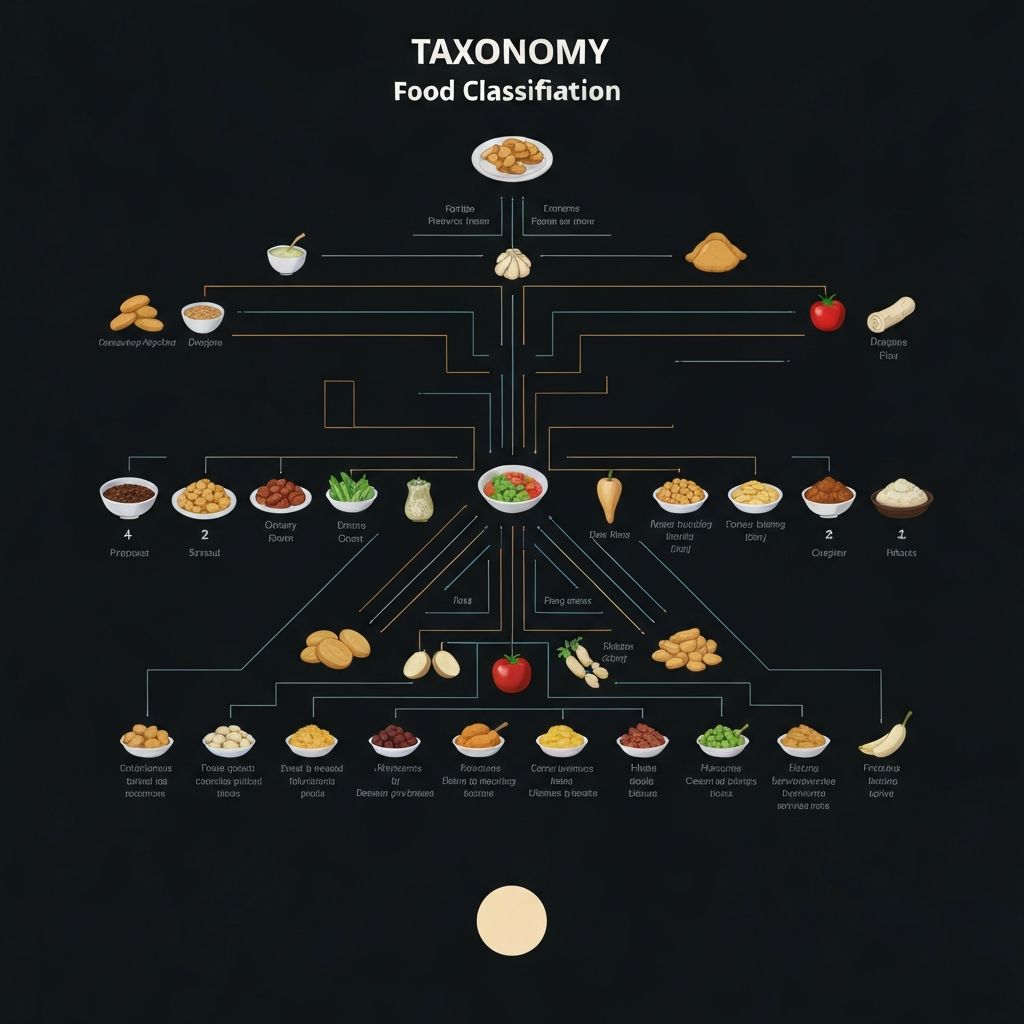
Foods can be classified along multiple dimensions. One common classification system divides foods by processing level: whole foods, minimally processed foods, processed foods, and ultra-processed foods. This classification reflects the degree of transformation from the original food source.
Whole Foods
Definition and Characteristics
Whole foods are consumed with little or no processing—vegetables, fruits, legumes, whole grains, nuts, seeds, and animal products in their natural form. These foods retain their original structure and nutrient composition, including fiber, micronutrients, and phytonutrients.
Nutritional Advantages
Whole foods typically provide higher nutritional density—more vitamins, minerals, and beneficial compounds relative to caloric content. For example, an apple provides fiber, vitamin C, and phytonutrients with approximately 95 calories, whereas processed snacks might provide similar calories with substantially fewer nutrients.
Minimally Processed Foods
Minimally processed foods undergo basic processing such as drying, freezing, or pasteurization but retain nutritional integrity. Frozen vegetables, canned beans without added sodium, and dried fruits fall into this category. These foods often provide convenience while maintaining nutritional value comparable to fresh whole foods.
Processed and Ultra-Processed Foods
Processing Effects
Processing often removes beneficial components such as fiber and micronutrients, particularly in the refinement of grains or extraction of sugars and oils. Commercial processing frequently adds sodium, added sugars, trans fats, and chemical additives for preservation and flavor enhancement.
Nutritional Implications
Ultra-processed foods often have lower nutritional density and higher caloric concentration, meaning they provide more calories with fewer nutrients. Regular consumption of ultra-processed foods is associated with difficulty achieving micronutrient adequacy and often contributes to excess caloric intake.
Nutritional Density Concept
Nutritional density refers to the quantity of nutrients relative to caloric content. Foods with high nutritional density—most vegetables, fruits, legumes, and lean proteins—provide substantial nutrition per calorie consumed. Foods with low nutritional density—candy, sugary beverages, and many fried foods—provide energy with minimal nutritional value.
Emphasizing nutrient-dense whole foods facilitates meeting micronutrient needs while managing caloric intake, supporting both energy balance and metabolic function.
Practical Implications
While foods exist on a spectrum rather than in absolute categories, awareness of processing level and nutritional density supports informed food selection. Dietary patterns emphasizing whole foods and minimally processed options typically result in greater nutrient adequacy, more stable energy levels, and sustained feeling of fullness compared to diets emphasizing ultra-processed foods.
Important Context
This article discusses food classification and nutritional concepts. Individual dietary needs vary based on health status, activity level, and personal circumstances. Significant dietary modifications should be discussed with qualified healthcare providers or registered dietitians.